Drying Herbs at Home

Updated: Jul 23, 2025
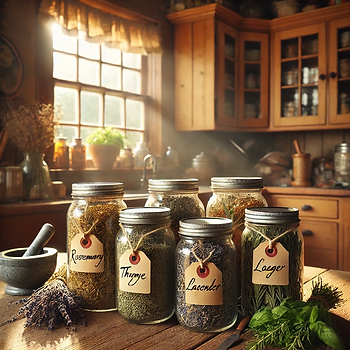
There’s nothing quite like cooking with fresh herbs straight from the garden, but what if you want to enjoy those flavors all year long? Drying herbs is a simple and effective way to preserve their taste and aroma for months. Whether you’re a seasoned gardener or just starting out, this guide will walk you through the best methods to dry herbs at home.
Why Dry Herbs?
Drying herbs not only extends their shelf life but also enhances their flavors. When dried properly, herbs retain their essential oils, making them just as potent as fresh ones in cooking, teas, and medicinal uses. Plus, drying your own herbs is cost-effective and ensures you know exactly what’s going into your food.
Best Herbs for Drying
While most herbs can be dried, some retain their flavor better than others. The best herbs to dry include:
Oregano
Thyme
Rosemary
Sage
Mint
Basil
Lavender
Different Drying Methods
There are several methods to dry herbs, depending on the equipment you have and how quickly you want the process to be completed.
1. Air Drying
Air drying is the easiest and most traditional method. It works best for low-moisture herbs like rosemary, thyme, and oregano. How to do it:
Gather small bunches of herbs and tie them with a string.
Hang them upside down in a warm, dry, and well-ventilated area away from direct sunlight.
Allow them to dry for 1-2 weeks until they crumble easily.

2. Using a Dehydrator
A food dehydrator provides a controlled environment, making it one of the fastest and most effective ways to dry herbs. How to do it:
Spread herbs in a single layer on the dehydrator trays.
Set the dehydrator to the lowest temperature (around 95°F or 35°C).
Let them dry for 2-4 hours, checking frequently.
3. Oven Drying
If you don’t have a dehydrator, your oven can work as an alternative, though it requires close monitoring. How to do it:
Preheat the oven to its lowest setting (usually around 170°F or 75°C).
Place herbs on a baking sheet lined with parchment paper.
Keep the oven door slightly open to allow moisture to escape.
Check every 30 minutes until the herbs are dry and crumbly (usually 1-2 hours).

4. Microwave Drying
Microwaving is the quickest method but requires careful attention to avoid burning the herbs. How to do it:
Place a few leaves between two paper towels.
Microwave on low power for 30-second intervals, checking frequently.
Continue until the herbs are completely dry and brittle.
Storing Your Dried Herbs
Once dried, herbs should be stored properly to maintain their potency. Follow these tips:
Store in airtight containers, such as glass jars or resealable bags.
Keep them in a cool, dark place away from direct sunlight and heat.
Label containers with the herb name and drying date for reference.
Crush herbs just before use to retain maximum flavor.
Enjoy Your Home-Dried Herbs
Dried herbs can be used in various ways, from seasoning dishes to making herbal teas, infused oils, and homemade beauty products. By drying your own herbs, you’ll always have a supply of fresh flavors at your fingertips without relying on store-bought alternatives.
Now that you know how to dry herbs at home, which method will you try first? Let us know in the comments below!

Comments