Cultivate an Eco-Friendly Garden with These Gardening Sustainably Ideas

Alright, fellow gardeners, let’s get real for a minute. If you’re anything like me, you love the idea of a garden that’s bursting with life, color, and those sweet smells that make you wanna kick off your shoes and stay a while. But here’s the kicker - we want that garden to be kind to Mother Earth too. No more guilt trips about chemical fertilizers or water waste. Instead, we’re diving headfirst into some down-home, practical, and downright charming gardening sustainably ideas that’ll have your backyard looking like a green paradise without wrecking the planet.
Why Gardening Sustainably Ideas Matter More Than Ever
Now, I know what you’re thinking: “Why should I care about sustainable gardening tips when I just want some pretty flowers and fresh veggies?” Well, friend, it’s about more than just looks. Sustainable gardening means you’re working with nature, not against it. That means healthier soil, happier pollinators like bees and butterflies, and a garden that can thrive year after year without needing a ton of outside help.
Plus, when you garden sustainably, you’re saving water, reducing waste, and cutting down on those pesky chemicals that can sneak into your home and local waterways. It’s a win-win for you and the planet. And hey, if you also care about your community, like me, it’s a way to keep our communities green and vibrant for generations to come.
Easy Gardening Sustainably Ideas to Get You Started
So, let’s roll up our sleeves and get into some practical tips you can start using today. These aren’t your run-of-the-mill gardening hacks either; these are tried-and-true methods that’ll make your garden sing and your neighbors jealous.
1. Compost Like a Pro
If you’re not composting yet, you’re missing out on the best free fertilizer around. Composting turns kitchen scraps and yard waste into rich, dark soil that your plants will gobble up. It’s like giving your garden a homemade stew packed with nutrients.
Start a compost bin or pile in a shady spot.
Toss in veggie peels, coffee grounds, eggshells, and grass clippings.
Avoid meat, dairy, and oily foods to keep critters away.
Turn your pile every couple of weeks to speed up decomposition.
Before you know it, you’ll have black gold ready to boost your garden’s health.
We have both an outdoor (link below) and a countertop composter, like this one.

Please note that I AM using paid affiliate links, but all the products I will be linking, we actually use here at the farm and purchased from Amazon ourselves. But of course, I have to mention legally that... As an Amazon Associate I earn from qualifying purchases.
That means if you like what you read, as well as what you see, you can click the product and purchase it through Amazon too, but a we will make a little bit of money too for referring great products.
Now back to the matter at hand. The countertop composter allows us to discard of cooking scraps easily. It's also a great place to process our eggshells which we mix in with our compost. Outdoors, we also use a dual chamber composter like this one, so we can add in the composted material from our countertop composter, but also add in yard and garden scraps.

The dual chamber allows us to have one side mixing-and-making and the other side for storing once it is ready to use.
2. Choose Native Plants
Native plants are the hometown heroes of the plant world. They’re adapted to your local climate and soil, so they need less water and fewer chemicals. Plus, they provide food and shelter for local wildlife.
Visit your local nursery for native plant options but research your zone. The USDA has a great reference map here to use. Here in our little neck of Ohio, we are 6b. Knowing this will help you research plants that are native to your area that do well in your environment.
Mix in wildflowers, shrubs, and trees that thrive in Ohio’s climate.
Native plants often bloom longer and attract pollinators like bees and butterflies.
3. Water Wisely
Watering your garden is a must, but wasting water? Not so much. Here’s how to keep your plants happy without draining the well:
Water early in the morning or late in the evening to reduce evaporation.
Use drip irrigation or soaker hoses to deliver water directly to roots.
Mulch around plants to keep soil moist and cool.
Collect rainwater in barrels for a free, eco-friendly water source.
Here on the farm, we use a rain barrel that collects water from our greenhouse roof and gutter system like the one below. (The actual one we have looks to no longer be available.)

Along with a pump and solar irrigation system like the one below we are able to supply our greenhouse plants with water, conserving the hose for just the raised beds.

4. Say No to Chemicals
Synthetic fertilizers and pesticides might give quick results, but they can harm beneficial insects and contaminate soil and water. Instead, opt for natural alternatives:
Use compost and organic fertilizers.
Introduce beneficial insects like ladybugs to control pests. (And yes, even they are available on Amazon.)
Handpick pests or use homemade sprays like garlic or neem oil.
5. Rotate Your Crops
If you’re growing veggies, crop rotation is your secret weapon. It prevents soil depletion and reduces pest buildup.
Don’t plant the same family of veggies in the same spot year after year.
Switch between leafy greens, root veggies, and legumes.
This keeps your soil balanced and your plants healthier.

What is the Gardening 3 Year Rule?
Now, here’s a little nugget of wisdom that’s saved my garden more than once: the gardening 3 year rule. It’s simple but powerful.
The rule says you shouldn’t plant the same type of crop in the same spot for more than three years in a row. Why? Because plants suck up specific nutrients, and pests and diseases tend to hang around where their favorite food grows. By rotating crops every year, you give the soil a chance to recover and keep those nasty bugs guessing.
For example, if you plant tomatoes in one bed this year, switch to beans or leafy greens next year, then maybe root veggies the year after. This rotation keeps your soil healthy and your harvest bountiful.
Bringing Nostalgia and Sustainability Together in Your Garden
There’s something downright cozy about a garden that reminds you of grandma’s backyard or those lazy summer afternoons spent outside. You can capture that nostalgic charm while still being eco-friendly.
Plant heirloom varieties of veggies and flowers that have been passed down through generations.
Use vintage-style garden tools and containers from local shops like The 4th Avenue Farmhouse.
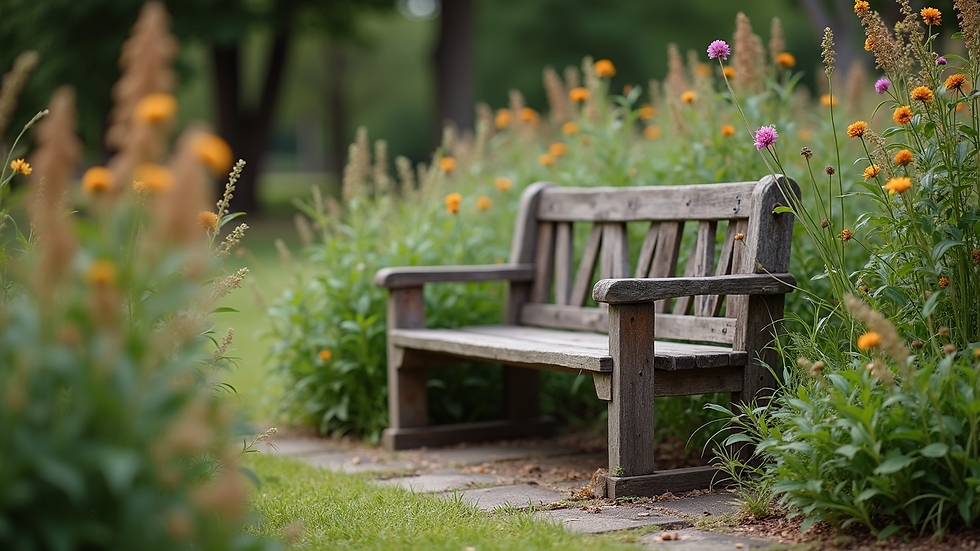
Create a little seating nook with reclaimed wood benches or old rocking chairs.
Incorporate birdhouses and feeders to invite feathered friends.
This blend of old-time charm and modern sustainability makes your garden a true community treasure.
Keep It Local and Sustainable
One of the best ways to garden sustainably is to support local businesses and resources. Buying plants, seeds, and supplies from local nurseries or shops like The 4th Avenue Farmhouse means you’re getting products suited to your area and reducing the carbon footprint of your garden.
Also, connecting with neighbors through plant swaps or community garden projects can spread the love and knowledge of sustainable gardening. It’s all about building a community that cares for the earth and each other.
If you want to dive deeper into sustainable gardening tips, The 4th Avenue Farmhouse has some fantastic resources to help you get started.
Your Garden, Your Legacy
At the end of the day, your garden is more than just a patch of dirt and plants. It’s a living, breathing part of your home and community. By embracing these gardening sustainably ideas, you’re not just growing flowers and veggies - you’re cultivating a legacy of care, beauty, and respect for the earth.
So grab your gloves, get your hands dirty, and let’s make our gardens a little greener, a little kinder, and a whole lot more magical. Here’s to growing something beautiful - for today, tomorrow, and all the days after.
Happy gardening, y’all!


Comments